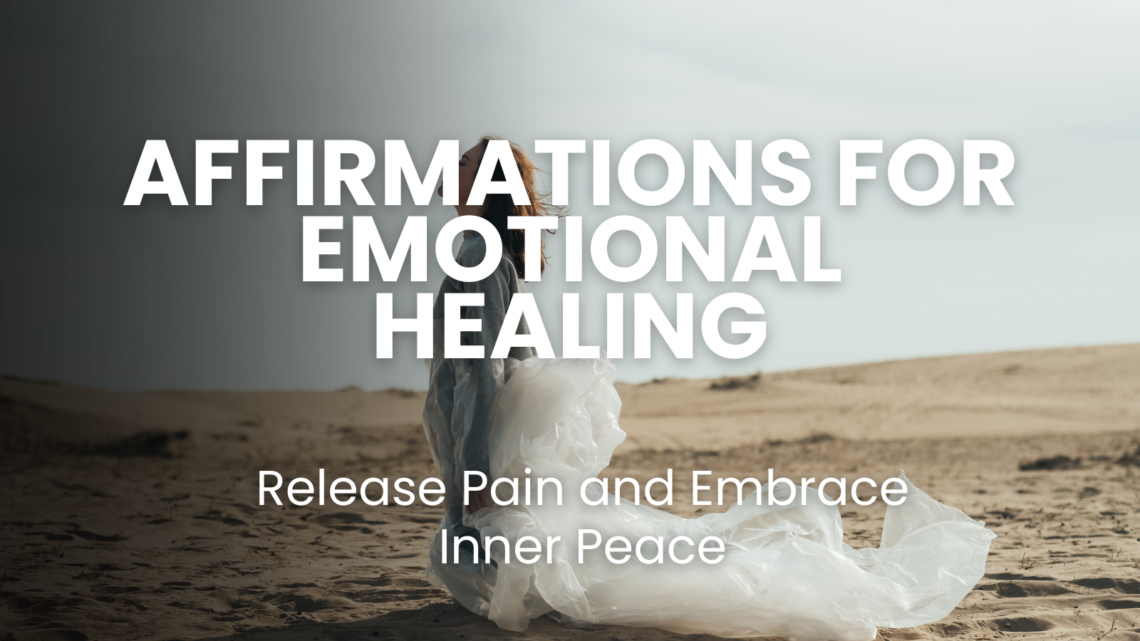
Emotional healing isn’t always a straightforward journey. Whether you’re dealing with disappointment, grief, heartbreak, or difficult memories, finding your way toward inner peace can take time, patience, and self-compassion.
Sometimes, the hardest part is learning to speak to yourself with kindness when you’re experiencing emotional pain.
Affirmations for emotional healing can offer gentle reminders that your feelings are valid, your experiences don’t define your worth, and you deserve compassion as you navigate difficult moments.
While positive affirmations cannot erase painful experiences or replace professional mental health support, they can be part of a broader self-care routine that encourages reflection, emotional awareness, and a more supportive inner dialogue.
In this article, you’ll discover 60 powerful affirmations for emotional healing, divided into two collections: releasing emotional pain and cultivating inner peace. You’ll also learn practical ways to incorporate affirmations into your daily life.

How Affirmations for Emotional Healing Can Help
Emotional healing can involve learning to acknowledge difficult feelings, understand painful experiences, and develop healthier ways of responding to emotional challenges.
Positive affirmations are short, encouraging statements that can support a more compassionate inner dialogue.
When you’re struggling emotionally, you might find yourself thinking, “I’ll never feel better,” “Everything is my fault,” or “I should have moved on by now.”
Affirmations offer an opportunity to respond to these thoughts with greater kindness and perspective.
For example, instead of telling yourself, “I should be over this,” you might practice saying, “I am allowed to heal at my own pace.”
This doesn’t mean ignoring sadness, anger, or grief. These emotions can be natural responses to difficult experiences, and acknowledging them is often more helpful than forcing yourself to feel positive.
Encouraging Self-Compassion
Affirmations can remind you to treat yourself with the same understanding you might offer a friend.
Supporting Emotional Awareness
Choosing affirmations that reflect your experiences can encourage you to recognize what you’re feeling and what you need.
Cultivating a Sense of Inner Peace
Gentle statements can become part of calming routines, such as mindful breathing, journaling, or quiet reflection.
Encouraging Resilience
Affirmations can remind you of your ability to take small steps forward, even when progress feels slow.
It’s important to remember that affirmations are not a scientifically established treatment for trauma, depression, or anxiety disorders. Their usefulness varies, and they work best as one optional part of a broader approach to emotional well-being.
How to Use Affirmations for Emotional Healing
To make the most of affirmations, it’s important to use them consistently and with intention. Here are some tips for incorporating affirmations into your emotional healing practice:
Combine with Other Practices: Integrate affirmations into your meditation, mindfulness, or self-care routines for added benefits.
Choose Relevant Affirmations: Select affirmations that resonate with your specific emotional challenges and healing goals.
Practice at Your Own Pace: Choose a few affirmations and return to them when they feel helpful. There is no required number of repetitions. Focus on whether the statements encourage a more supportive relationship with your thoughts and feelings.
Visualize and Feel: As you say your affirmations, visualize the positive changes they represent and feel the emotions associated with them.
Write Them Down: Write your affirmations in a journal or on sticky notes and place them where you’ll see them frequently.
30 Affirmations for Releasing Emotional Pain
Releasing emotional pain is a crucial step in the healing process. Here are 30 affirmations designed to help you let go of pain and negative emotions:






- I release all feelings of pain and embrace healing.
- I forgive myself and others, letting go of past hurts.
- I am free from the grip of painful memories.
- I release anger and welcome peace into my heart.
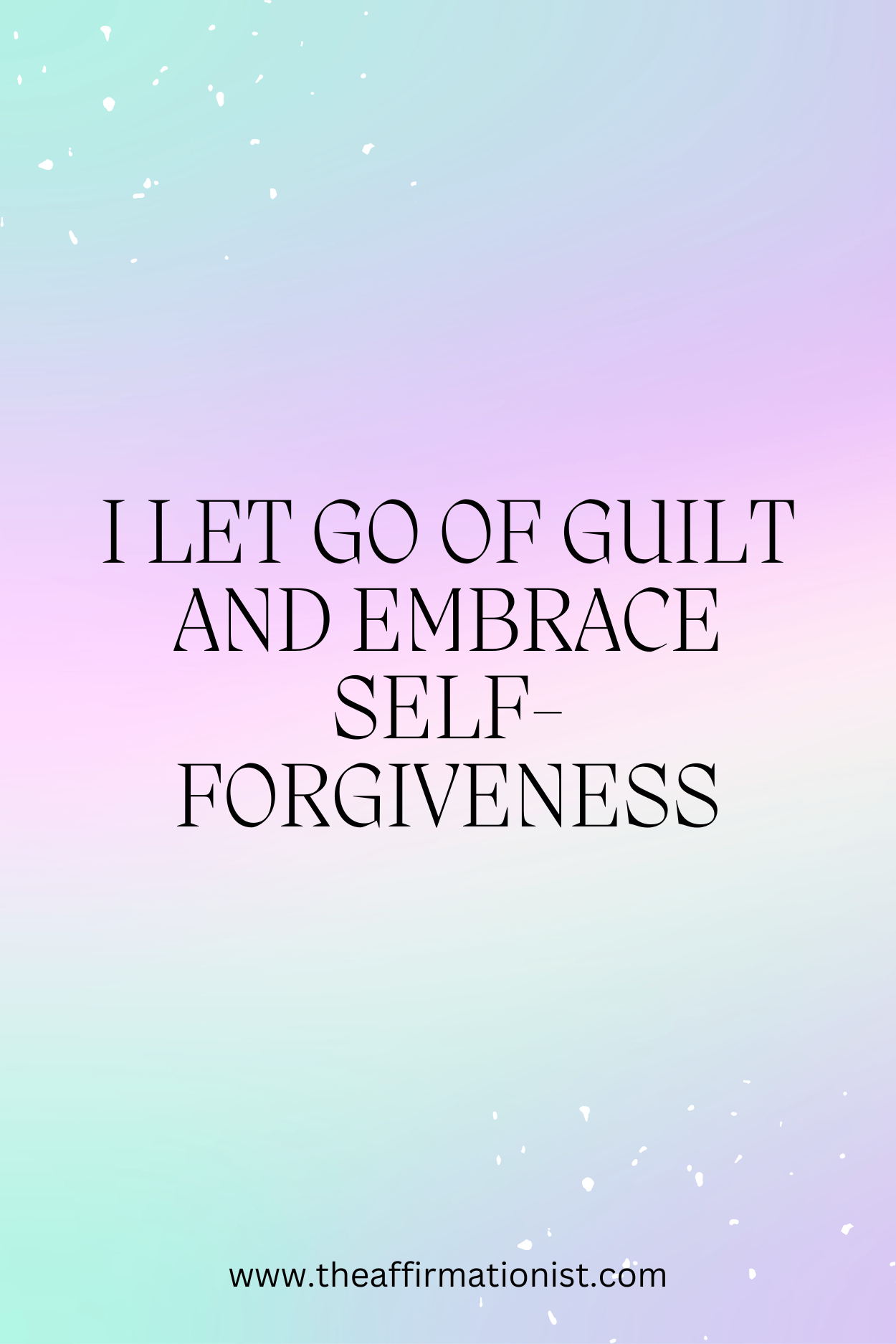
- I let go of guilt and embrace self-forgiveness.
- I am worthy of love and healing.
- I release all fear and embrace courage.
- I am letting go of resentment and opening my heart to love.
- I release all negative thoughts and replace them with positive ones.
- I am free from the burden of emotional pain.
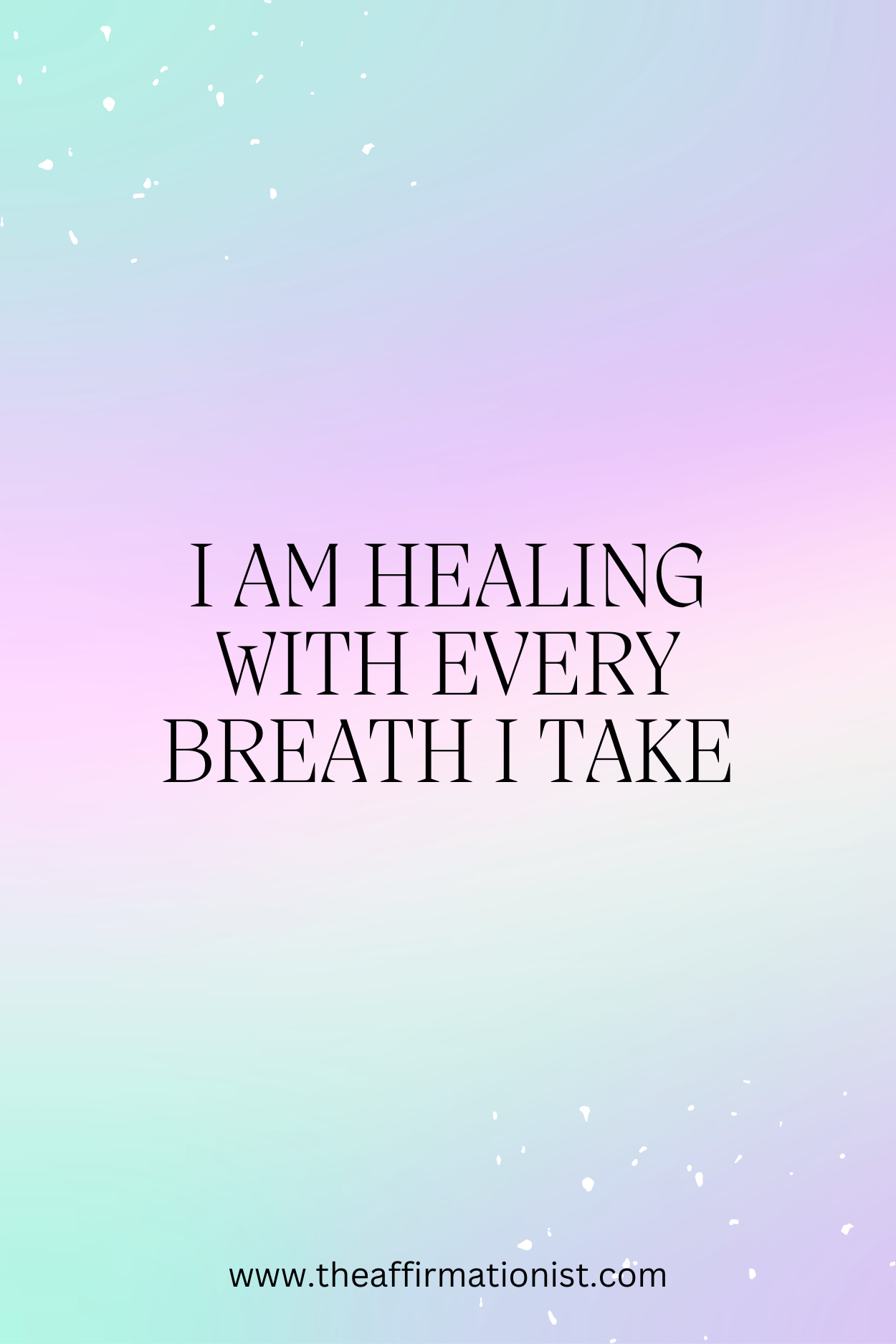
- I am healing with every breath I take.
- I release all emotional wounds and embrace wholeness.
- I forgive myself for past mistakes and move forward with love.
- I let go of the past and live fully in the present moment.
- I release all hurt and open myself to joy.
- I am free from the chains of past trauma.
- I let go of bitterness and welcome compassion.
- I release all emotional blocks and embrace flow.
- I am free from the shadows of my past.
- I release all pain and allow light into my life.
- I am healing my heart with love and kindness.
- I let go of sorrow and embrace happiness.
- I release all negative energy and embrace positivity.
- I am letting go of emotional pain and welcoming peace.
- I am free from emotional burdens and feel light.
- I let go of sadness and invite joy into my life.
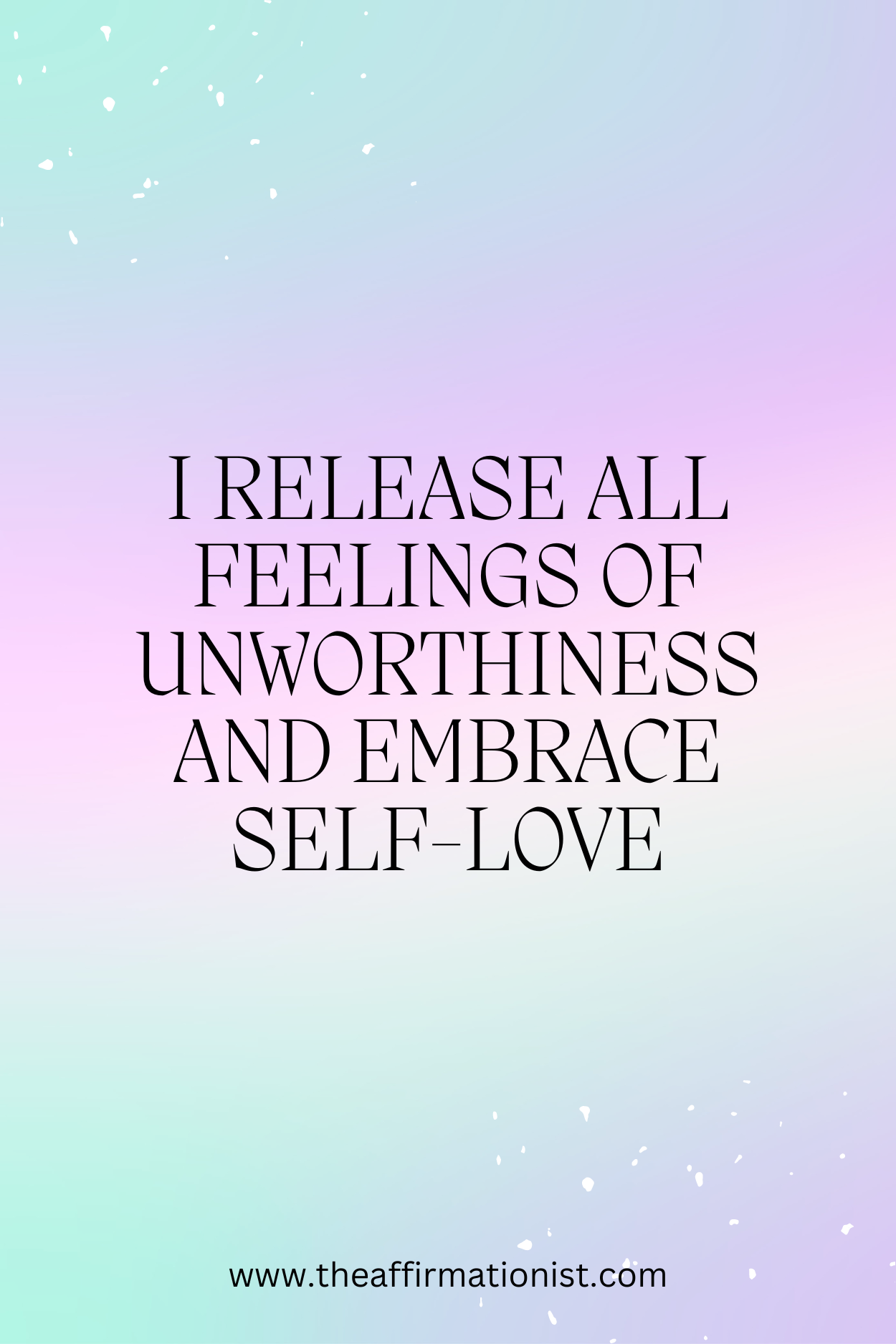
- I release all feelings of unworthiness and embrace self-love.
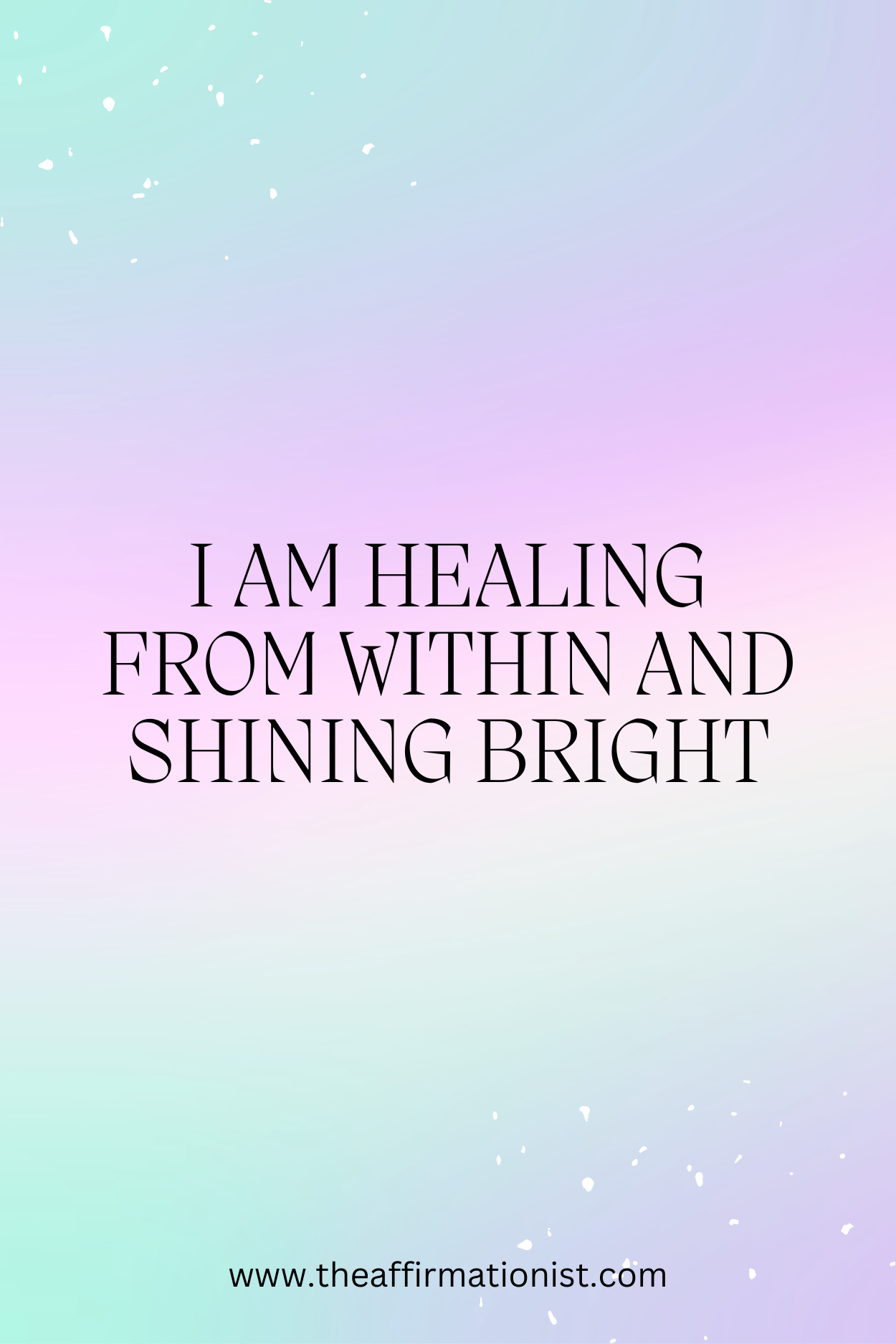
- I am healing from within and shining bright.
- I let go of all emotional pain and embrace serenity.
- I release all hurt and allow myself to heal completely.
30 Affirmations for Cultivating Inner Peace
Inner peace is the foundation of emotional well-being. These affirmations are designed to help you cultivate a sense of peace and tranquility within:









- I am at peace with myself and my past.
- I choose peace over worry and fear.
- I am calm, centered, and grounded.
- Peace flows through me with every breath I take.
- I am in harmony with the universe.
- I embrace the present moment with serenity.
- I am a vessel of peace and love.
- I find peace in the midst of chaos.
- My mind is calm, and my heart is at peace.
- I radiate peace and positivity.
- I am surrounded by a calming energy.
- I am at peace with the world around me.
- I create inner peace within myself.
- I choose to be peaceful in every situation.
- I am a beacon of peace and tranquility.
- I am at peace with my journey.
- I embrace stillness and find peace within.
- I am calm, composed, and peaceful.
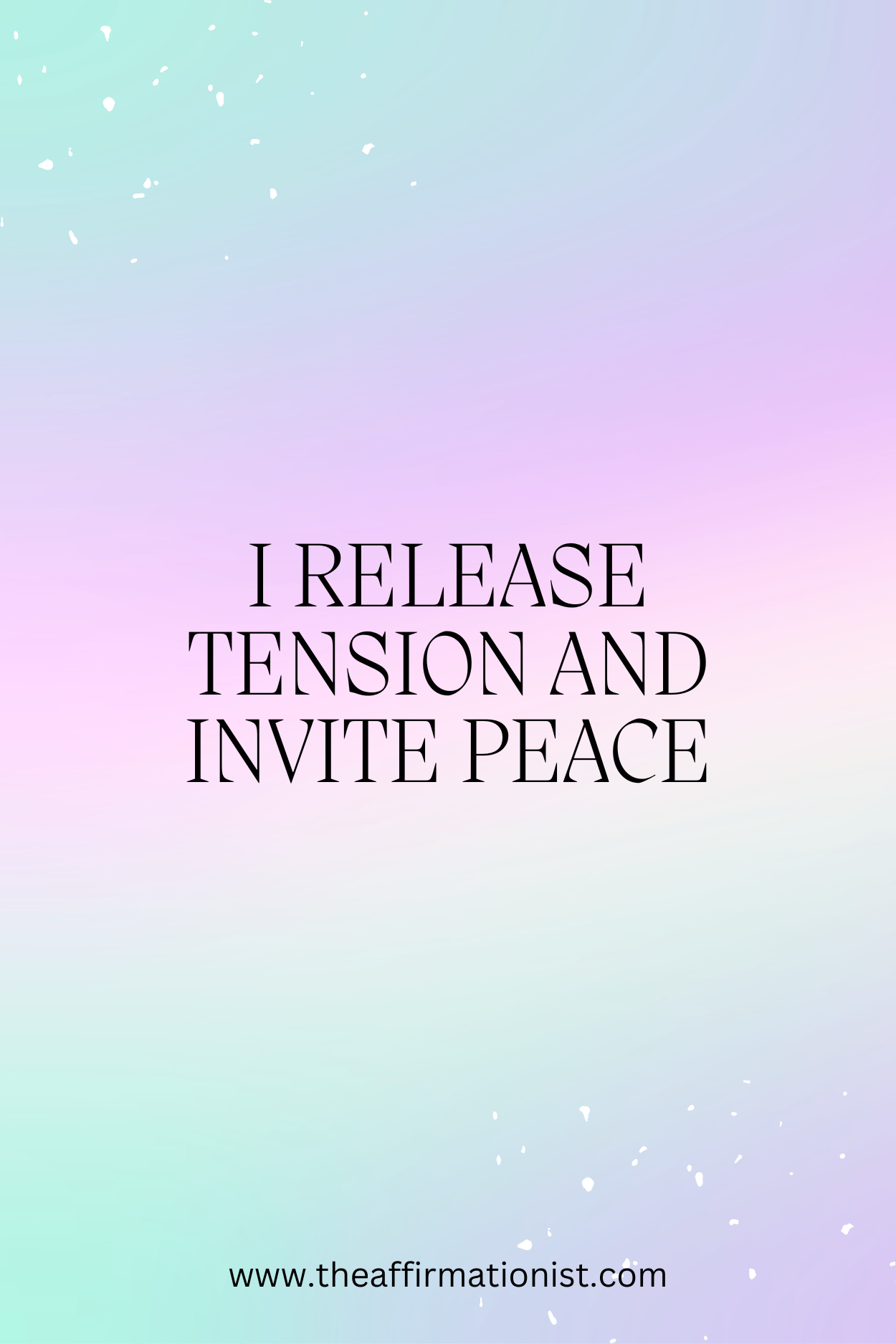
- I release tension and invite peace.
- I am a source of peace and calm for others.
- I am at peace with who I am.
- I create peace in my mind, body, and soul.
- I am at peace with life’s uncertainties.
- I nurture my inner peace daily.
- I am at peace with my thoughts and emotions.
- I choose peace as my natural state of being.
- I find peace in every breath I take.
- I am a peaceful soul living in harmony.
- I am at peace with my surroundings.
- I embrace peace in every aspect of my life.
When to Use Affirmations for Emotional Healing
You don’t need a complicated routine to begin using affirmations. Sometimes, choosing one meaningful statement at the right moment is enough to encourage a more compassionate response to your emotions.
Here are five situations where you might find them helpful.
1. When You’re Feeling Overwhelmed
If your emotions feel particularly intense, try choosing a gentle statement rather than forcing yourself to feel positive.
For example: “I don’t have to solve everything right now. I can take one moment at a time.”
Pairing this affirmation with a few slow, comfortable breaths may help you pause and notice what you need.
2. After a Difficult Conversation
Conflict, disappointment, or misunderstanding can sometimes lead to harsh self-criticism.
Try: “I can reflect on what happened without judging my entire worth.”
Give yourself time to process the experience before deciding how to respond.
3. When You’re Struggling with Past Experiences
Painful memories can sometimes bring feelings of regret, sadness, or anger.
An affirmation such as “My past is part of my story, but it doesn’t define everything about me” may encourage a more balanced perspective.
If memories feel overwhelming or distressing, consider seeking support rather than trying to manage them through affirmations alone.
4. During Your Evening Self-Care Routine
Choose a statement that helps you approach the end of the day with kindness.
For example: “I did what I could today, and I deserve rest.”
You can combine this with journaling, gentle stretching, or a quiet moment away from screens.
5. When You Notice Small Signs of Progress
Emotional healing rarely follows a perfectly predictable timeline.
Some days may feel easier than others, and setbacks don’t necessarily erase the progress you’ve made.
Try: “I can appreciate small moments of growth without expecting perfection.”
Recognizing gradual progress can help you develop a more patient and realistic relationship with your healing journey.
5 Self-Care Practices to Combine with Affirmations

While affirmations are powerful on their own, combining them with other healing practices can enhance their effectiveness. Here are some complementary practices to consider:
1. Meditation
Meditation is a practice that involves focusing your mind and eliminating distractions. It can help you become more aware of your thoughts and feelings, making it easier to integrate affirmations into your daily routine. Try incorporating your affirmations into your meditation practice by repeating them silently or out loud during your sessions.
2. Mindfulness
Mindfulness is the practice of being fully present in the moment. It can help you become more aware of negative thought patterns and replace them with positive affirmations. Practice mindfulness by paying attention to your thoughts and feelings without judgment, and gently redirecting your focus to your affirmations.
3. Journaling
Journaling is a powerful tool for self-reflection and emotional healing. Write down your affirmations in a journal and reflect on how they make you feel. Use your journal to explore your emotions, track your progress, and celebrate your healing journey.

4. Yoga
Yoga is a mind-body practice that combines physical postures, breathing exercises, and meditation. It can help you release emotional tension and cultivate inner peace. Incorporate affirmations into your yoga practice by repeating them during your poses or at the beginning and end of your sessions.
5. Self-Care
Self-care is essential for emotional healing. Make time for activities that nurture your mind, body, and spirit. This could include taking a warm bath, spending time in nature, or engaging in creative pursuits. Use your affirmations as a form of self-care by repeating them during these activities to reinforce positive thoughts and emotions.
How to Create Your Own Emotional Healing Affirmations
While the affirmations provided in this post are a great starting point, personalizing them can make them even more powerful. Here are some tips for creating your own affirmations:
- Identify Your Needs: Reflect on your specific emotional challenges and healing goals. What do you need to let go of? What do you want to cultivate in your life?
- Choose Realistic and Compassionate Language: Your affirmations don’t have to describe a perfect emotional state. Statements such as “I am learning to be kinder to myself” or “I can take small steps toward healing” may feel more authentic than insisting you’re already completely at peace.
- Keep It Simple: Keep your affirmations short and easy to remember. This makes it easier to repeat them regularly.
- Be Authentic: Use language that resonates with you personally. Your affirmations should feel genuine and meaningful to you.
Frequently Asked Questions About Emotional Healing Affirmations
How long does it take for affirmations to work?
There is no established timeline for experiencing benefits from positive affirmations. Some people find them comforting immediately, while others may not find them useful. Their effects depend on the individual, the type of affirmation, and how the practice fits into their life.
Can affirmations help with emotional pain?
Affirmations may encourage self-compassion, reflection, and a more supportive inner dialogue. However, they cannot erase emotional pain or guarantee recovery from difficult experiences.
Can affirmations replace professional therapy?
No. Affirmations are not a substitute for professional mental health treatment. If emotional distress, trauma-related symptoms, or persistent anxiety interfere with your daily life, a qualified mental health professional can help you explore appropriate support.
What if I don’t believe my affirmations?
You don’t need to force yourself to believe something that feels unrealistic. Try choosing a gentler statement that reflects your current experience.
For example, replace “I am completely healed” with “I am taking small steps toward feeling better.”
Do affirmations help with physical healing?
There is no reliable evidence that repeating positive affirmations directly heals physical injuries or illnesses. They may be used as a personal coping practice alongside appropriate medical care, but they should never replace diagnosis or treatment.
Can children use positive affirmations?
Children can practice simple, age-appropriate encouraging statements, particularly when adults help them develop realistic and compassionate self-talk. However, affirmations should not be presented as a treatment for childhood anxiety or emotional difficulties.
How to Maintain a Gentle Affirmation Practice

Staying motivated to practice affirmations regularly can be challenging. Here are some tips to help you stay on track:
- Set Reminders: Use phone alarms, calendar notifications, or sticky notes to remind yourself to practice your affirmations.
- Create a Ritual: Incorporate affirmations into your daily routine, such as repeating them during your morning coffee or before bed.
- Track Your Progress: Keep a journal to track your emotional healing journey and note any positive changes you observe.
- Celebrate Small Wins: Acknowledge and celebrate your progress, no matter how small. This can help keep you motivated and reinforce the benefits of affirmations.
- Stay Positive: Focus on the positive changes you are experiencing rather than any setbacks. Remember that healing is a journey, and every step forward is a victory.
Conclusion: Emotional Healing Takes Time
Emotional healing is rarely a straight path. It can involve moments of sadness, uncertainty, growth, and renewed hope, sometimes all within the same journey.
The 60 affirmations for emotional healing shared in this article are intended to encourage self-compassion, emotional awareness, and moments of inner peace.
They aren’t a way to erase difficult memories or force yourself to feel positive. Instead, they can serve as gentle reminders that your emotions deserve acknowledgment and that you can approach yourself with patience and kindness.
Whether you choose to practice affirmations while journaling, meditating, or taking a quiet moment for yourself, focus on statements that genuinely resonate with your experience.
Above all, remember that healing doesn’t have to happen on a particular schedule. You deserve care and compassion throughout the process, not only when you feel better.